Streetwear Became More Personal Than Perfect
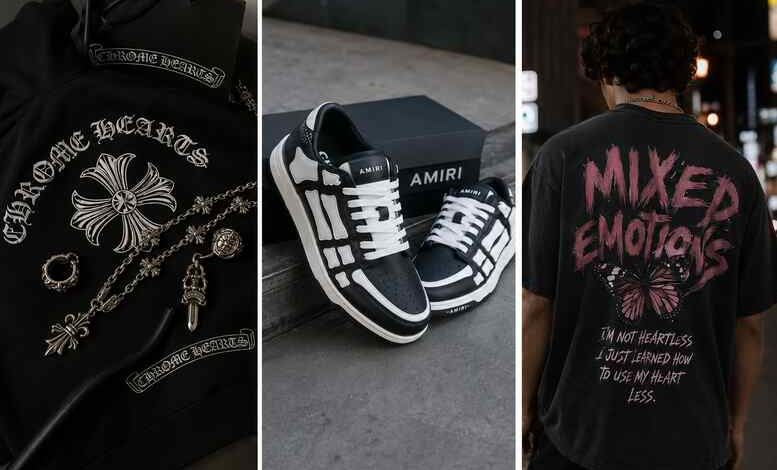
Streetwear used to focus on hype alone, but your outfit now says much more about your personality. That shift explains why chrome hearts still grabs attention even when trends move quickly. People want clothing and accessories that feel worn-in, expressive, and slightly imperfect. Heavy cotton hoodies, silver jewelry, faded denim, and oversized tees create that relaxed look many younger shoppers chase today. I’ve noticed that outfits feel more believable when every piece doesn’t match perfectly. A slightly cracked graphic or uneven wash often makes the whole fit stronger. That detail matters more than flashy branding. During the last year, baggy jeans paired with leather accessories returned to everyday fashion because they feel comfortable without looking lazy. Even sneaker choices changed. Clean white shoes lost ground to chunkier designs with visible stitching and layered panels. Many shoppers also started mixing luxury pieces with thrifted basics instead of dressing head to toe in one label. That approach feels more natural and less forced. While scrolling through different collections recently, I noticed how silver cross jewelry and heavyweight hoodies from chrome hearts still fit perfectly into modern outfits without looking outdated. The designs feel rough around the edges in a good way. At the same time, younger brands continue adding oversized cuts, distressed fabrics, and washed colors because people want clothing that feels lived in. Streetwear stopped chasing perfection years ago, and honestly, that made fashion much more interesting to wear every day.
Oversized Fits Changed Everyday Dressing
Loose silhouettes changed how people buy clothes because comfort now matters just as much as appearance. Ten years ago, skinny jeans dominated almost every store wall. Today, relaxed denim, wider hoodies, and dropped shoulders appear almost everywhere. Oversized fits work because they allow movement while still creating shape through layering. A cropped jacket over a longer tee adds depth without trying too hard. The same thing happens with baggy cargos and thick sneakers. They balance each other naturally. One thing I personally prefer is heavyweight cotton because thinner fabric often loses shape after a few washes. You can feel the difference immediately when you pick up a quality hoodie. The shoulder seam sits flatter, and the fabric hangs better instead of clinging awkwardly. Fashion brands understand that detail now. Many collections focus on brushed fleece interiors, garment-dyed finishes, and double-stitched cuffs because shoppers notice durability more than before. Another change involves color choices. Bright neon shades lost popularity while washed black, faded brown, charcoal gray, and cream tones became easier to style daily. Those muted shades work with jewelry, sneakers, and layered outerwear without overwhelming the outfit. Still, oversized clothing has one limitation. If every piece becomes too loose, the outfit can look shapeless quickly. Balance matters more than size alone. A relaxed hoodie paired with cleaner pants usually looks stronger than wearing oversized pieces from head to toe. That balance creates structure while keeping the comfort people actually want from modern streetwear.


Small Styling Habits Make a Huge Difference
A strong outfit usually comes from small decisions instead of expensive pieces alone. Many people overlook the basics, yet those details shape the final result much more than logos. Over the years, I’ve found a few habits that consistently improve streetwear outfits without adding extra effort.
- Keep one heavier statement piece in the outfit, such as thick denim or silver jewelry.
- Mix textures like fleece, leather, cotton, and washed denim instead of matching identical materials.
- Let sneakers show wear naturally because spotless shoes sometimes make casual outfits feel stiff.
- Use layering carefully by combining shorter jackets with longer shirts or hoodies.
- Stick with two or three dominant colors so the outfit doesn’t feel crowded.
These small adjustments create depth without making the outfit look overly planned. Sneaker styling especially changed during the last two years because people stopped treating shoes as the only centerpiece. Instead, footwear now supports the whole fit. Chunky midsoles, vintage basketball shapes, and distressed leather finishes gained popularity because they blend easily with relaxed denim and oversized tops. That’s one reason why collections featuring tenis amiri continue appearing in modern streetwear conversations. The layered sneaker panels and slightly bulky shape work naturally with today’s oversized fits. Another detail many people forget involves pant length. Denim stacked slightly above the shoe often creates a cleaner silhouette than pants cropped too short. I learned that after trying different cuts in dressing rooms for years. Small adjustments completely change how proportions feel once the outfit comes together.
Graphics and Prints Started Feeling More Emotional
Graphic clothing changed because people became tired of empty branding. Instead of giant logos alone, many shirts now include emotional artwork, faded photography, handwritten text, or rough illustrations. These details feel more personal and less corporate. You can spot that shift in streetwear photography too. Campaigns no longer look perfectly polished. Grainy textures, darker lighting, and casual poses appear much more often because they match the mood shoppers connect with. Oversized graphic tees especially became important because they work across almost every season. During colder months, they layer under flannels and zip hoodies. When temperatures rise, they become the centerpiece with shorts or loose denim. I’ve noticed that washed graphics tend to age better than glossy prints because they crack naturally over time instead of peeling awkwardly. Fabric weight also matters more than people expect. Thin shirts often twist after washing, while heavier cotton keeps its structure longer. That small detail affects the entire silhouette. Another interesting shift involves emotional messaging. Younger shoppers often choose designs that reflect mood, anxiety, humor, or nostalgia rather than simple flex culture. That explains why artistic collections featuring the mixed emotions shirt aesthetic gained attention among people who want clothing that feels expressive without looking overly polished. Graphic tees now act almost like wearable sketchbooks. They tell small stories through faded imagery, rhinestone details, and oversized artwork. That emotional side of fashion feels much more honest than the loud logo trends dominating earlier streetwear eras.
Accessories Quietly Control the Whole Outfit
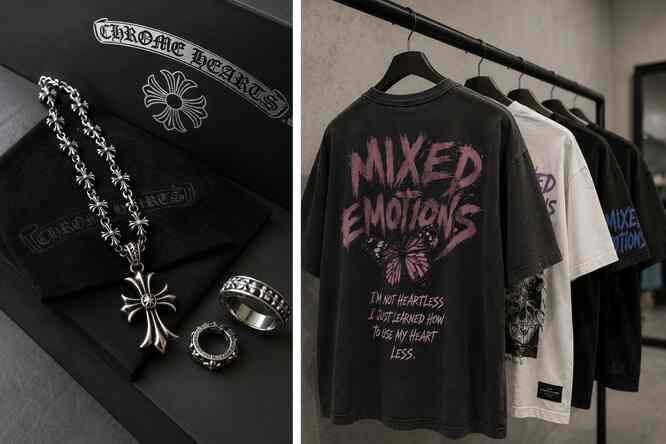
Accessories often decide whether a streetwear outfit feels complete or unfinished. Many people focus entirely on hoodies or sneakers while ignoring smaller details that pull everything together. Rings, chains, wallets, belts, and bags create texture that plain clothing alone cannot provide. Silver jewelry especially returned strongly because it pairs naturally with darker fabrics and distressed denim. Even one thick ring can change the feel of an outfit instantly. Over time, I learned that accessories work best when they look slightly worn instead of perfectly polished. Tiny scratches and faded leather actually improve the overall appearance. Several small styling pieces consistently stand out in modern streetwear right now:
- Thick silver rings with rough finishes
- Crossbody bags in washed nylon or leather
- Layered chains worn over heavyweight tees
- Vintage trucker caps with faded embroidery
- Leather bracelets mixed with metal hardware
These accessories help simple outfits feel more layered without adding unnecessary complexity. Another important detail involves proportions. Large jewelry usually works better with oversized clothing because smaller pieces disappear visually against heavyweight hoodies and loose jackets. Sunglasses also shifted toward chunkier frames with darker lenses instead of ultra-thin minimalist styles. That change matches the broader return of bold silhouettes across streetwear. Still, accessories should support the outfit rather than overpower it. Too many pieces can make everything look forced quickly. Usually, one standout accessory combined with clean basics creates the strongest result.
Fabric Quality Matters More Than Brand Names
People started paying closer attention to fabric because social media made shoppers more aware of clothing construction. Heavyweight cotton, loopback fleece, washed denim, and genuine leather now receive more discussion than flashy logos alone. You can immediately feel the difference between thin mass-produced fabric and properly weighted cotton. The heavier material hangs cleaner, wrinkles less awkwardly, and lasts much longer after repeated washing. One thing I always check first is stitching around the shoulder seams. Poor stitching starts twisting after several washes, especially on oversized shirts. Better construction keeps the shape stable even after months of wear. That detail separates clothing that ages well from pieces that quickly lose structure. Denim quality also improved recently because brands started embracing rougher textures instead of overly stretchy fabric. Rigid denim feels stiff at first, but it molds better to the body over time. Sneakers follow the same pattern. Leather panels, suede overlays, and thicker rubber soles create durability while adding texture visually. However, premium materials do raise prices, and that’s the honest limitation with many streetwear pieces today. Not every shopper wants to spend heavily on a hoodie or pair of jeans. Thankfully, mixing fewer premium items with affordable basics still creates strong outfits. A single heavyweight hoodie paired with simple cargos often looks better than an expensive outfit overloaded with logos from head to toe.
Social Media Changed How Trends Spread
Fashion trends now move faster because social platforms constantly recycle old aesthetics into new combinations. One week, oversized varsity jackets dominate outfit pages. A month later, washed camouflage pants suddenly appear everywhere again. This cycle keeps streetwear exciting, but it also makes trends disappear quickly. Still, some styles survive because they feel authentic rather than temporary. Distressed denim, silver jewelry, oversized hoodies, and layered sneakers continue returning because they connect with everyday wear instead of short-term hype. TikTok and Instagram also changed how people build outfits. Instead of copying runway fashion exactly, many users combine vintage pieces, thrift finds, and designer accessories into more personal looks. That blend feels approachable while still creative. I actually prefer this era of styling because it encourages experimentation instead of strict fashion rules. Another major shift involves photography. Mirror selfies, parking garage shoots, and grainy nighttime images became part of streetwear culture itself. Clothing now gets styled for movement and real-life wear rather than polished studio campaigns alone. Even brands adjusted product photography by using darker tones, oversized silhouettes, and relaxed poses. Fashion stopped feeling overly formal, and that change made streetwear easier to wear daily. Still, chasing every micro-trend becomes exhausting quickly. Building a wardrobe around durable basics usually works better than constantly buying whatever appears online for a few weeks.
The Future of Streetwear Looks More Individual
Streetwear continues evolving because people want individuality more than strict trends. Oversized cuts, layered outfits, heavy fabrics, and emotional graphics still dominate current fashion, yet personal styling matters more than copying identical outfits from social media. You can see that shift everywhere now. Some people combine luxury sneakers with thrifted jackets, while others wear handcrafted jewelry beside simple plain tees. The freedom to mix styles created stronger creativity across fashion communities. Younger shoppers especially value comfort, authenticity, and emotional connection over flashy perfection. That explains why washed textures, vintage colors, and distressed details continue growing in popularity. They feel human instead of factory-perfect. One thing that probably won’t disappear soon is the balance between luxury and casual wear. Expensive accessories paired with relaxed basics create contrast that keeps outfits visually interesting. At the same time, people also care more about durability because nobody enjoys replacing low-quality clothing every few months. Better materials, stronger stitching, and timeless silhouettes matter again. Personally, I think that’s one of the healthiest changes modern fashion made recently. Clothing should feel good after months of wear, not just during the first week. Streetwear no longer depends entirely on hype drops or celebrity endorsements either. Individual styling choices carry much more influence now. That shift allows people to experiment freely while building outfits that actually reflect their personality rather than simply copying someone else online.
Final Words
Streetwear keeps changing, yet the core idea stays simple. People want clothing that feels comfortable, expressive, and personal. Oversized fits, heavyweight fabrics, layered accessories, and emotional graphics all support that direction. Whether you prefer chrome hearts jewelry, tenis amiri sneakers, or artistic graphic tees, the strongest outfits usually come from combining pieces naturally instead of forcing trends together. Fashion feels much better when it reflects your own habits, personality, and daily routine rather than chasing every temporary style online.
FAQs
What makes chrome hearts popular in streetwear?
Chrome hearts stands out because of its silver jewelry, gothic details, and heavyweight fashion pieces that blend luxury with a rough street style look.
Why are oversized clothes still trending?
Oversized clothing feels comfortable, layers easily, and creates relaxed silhouettes that work well with modern sneakers and accessories.
How should you style tenis amiri sneakers?
Loose denim, heavyweight hoodies, and layered jackets usually pair best with tenis amiri sneakers because the proportions balance naturally.
Do graphic tees still matter in streetwear?
Yes. Graphic tees remain important because they add personality, artwork, and emotional expression to otherwise simple outfits.
What fabric works best for streetwear hoodies?
Heavyweight cotton fleece usually works best because it keeps its shape longer and feels more durable after repeated washing.