When Seconds Count: The Hidden Importance of Being Ready for a Medical Emergency

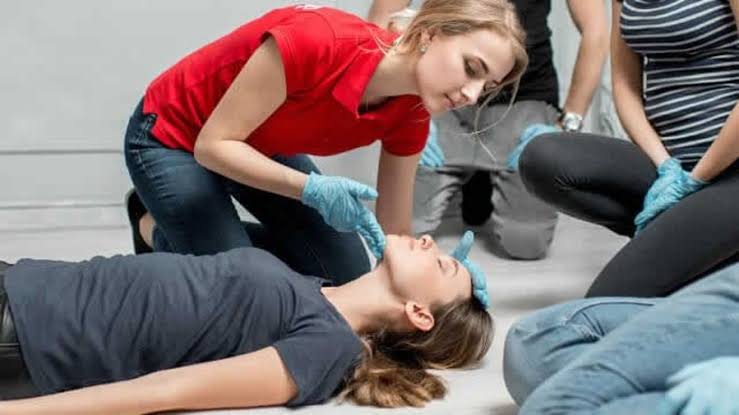
Imagine enjoying a quiet Sunday afternoon with your family. Someone is preparing lunch, the television is playing in the background, and everyone is going about their day. Suddenly, a family member collapses. The room falls silent, and panic takes over.
What would you do?

Most people hope they’ll never face a situation like this. Unfortunately, medical emergencies don’t follow schedules or wait until we’re ready. They can happen at home, in the workplace, at school, or during an ordinary trip to the grocery store.
The difference between panic and purposeful action often comes down to one thing: preparation.
Emergencies Don’t Give You Time to Think
When something goes wrong, our first instinct isn’t always to act. Some people freeze, others panic, and many look around, hoping someone else knows what to do.
This reaction is understandable. Medical emergencies are frightening, particularly when someone you care about is involved.
However, certain emergencies require immediate attention. Sudden cardiac arrest, severe bleeding, choking, and breathing difficulties can become life-threatening within minutes.
Knowing how to recognize warning signs, contact emergency services, and provide appropriate assistance can make a meaningful difference while professional responders are on their way.
You don’t need to know everything about medicine. You simply need to understand the right first steps.
The First Few Minutes Can Change Everything
Consider sudden cardiac arrest, a condition in which the heart unexpectedly stops pumping blood effectively.
When this happens, blood flow to the brain and other vital organs is interrupted. Without immediate intervention, the chances of survival decrease rapidly.
Cardiopulmonary resuscitation (CPR) helps maintain some circulation, while an automated external defibrillator (AED) can analyze the heart’s rhythm and deliver a shock when needed.
For healthcare workers and individuals responsible for patient safety, structured training is especially important. Courses such as BLS for Healthcare Providers introduce essential life-support principles, including CPR techniques and emergency response procedures.
Although professional training provides valuable knowledge, bystanders can also play an important role by calling emergency services, beginning CPR when appropriate, and following AED instructions.
Sometimes, the person who makes the biggest difference is simply the person standing closest.
Why People Hesitate During Medical Emergencies
One of the most overlooked challenges during an emergency is fear.
People worry about making mistakes, causing additional harm, or misunderstanding what’s happening. Others assume that someone nearby must be more qualified to help.
This hesitation can delay important action.
Preparation helps reduce uncertainty by making emergency procedures more familiar. When you’ve learned what to look for and how to respond, you’re less likely to spend precious moments wondering where to begin.
Of course, training doesn’t guarantee that you’ll remain perfectly calm. Even experienced professionals can feel pressure during emergencies.
The goal isn’t to eliminate fear completely. It’s to develop enough knowledge to act despite it.
Being Prepared Means More Than Knowing CPR
CPR is important, but emergency readiness involves much more.
Imagine someone suffering a serious cut while preparing dinner. Knowing how to apply firm, direct pressure to control bleeding could help until medical assistance becomes available.
Or consider a person showing possible signs of a stroke, such as facial drooping, arm weakness, or sudden speech difficulties. Recognizing these symptoms and immediately contacting emergency services can help prevent dangerous delays in treatment.
Even simple preparations matter.
Keeping emergency contact numbers accessible, knowing where the nearest AED is located, and maintaining a properly stocked first aid kit can make stressful situations easier to manage.
These small actions may seem insignificant during an ordinary day, but their value becomes clear when something unexpected happens.
Creating a Culture of Everyday Preparedness
Emergency preparedness shouldn’t be limited to hospitals, ambulances, or medical professionals.
Families can discuss emergency plans at home. Schools can introduce age-appropriate first aid education. Employers can encourage staff to learn basic emergency response skills.
Communities can also improve readiness by making AEDs accessible and helping residents understand how to use them.
The more people who develop these skills, the greater the possibility that someone nearby will recognize an emergency and respond appropriately.
Preparedness isn’t about expecting disaster around every corner. It’s about accepting that unexpected situations are part of life and taking reasonable steps to handle them.
Don’t Wait for an Emergency to Become Your Teacher
We prepare for so many things in life. We save money for unexpected expenses, keep spare tires in our cars, and check the weather before traveling.
Yet preparing for a medical emergency often falls to the bottom of our priorities.
Learning basic first aid, CPR, and AED use doesn’t require becoming a medical expert. It begins with curiosity, education, and a willingness to practice. Hands-on instruction can also help build confidence in performing physical emergency response skills.
You may go your entire life without needing to use these techniques. But if someone suddenly needs help, you’ll be grateful you took the time to learn.
Because when a medical emergency strikes, the clock doesn’t stop while we figure out what to do.
The best time to prepare isn’t when every second counts. It’s long before the first second matters.
Read More: ztec100 tec health